Course II · The dining rooms

Dining Rooms Above the Circle

From fishing-village wharves to glass-walled rooms facing icebergs, these are the regions where Arctic seafood is cooked with the greatest care.

Flat illustration of a red fisherman's cabin on stilts beside a fjord under the aurora
The lead essay

What Makes a Northern Dining Room

Luxury in the Arctic is rarely about chandeliers. It is about a window framing a fjord, a chef who knows the skipper by name, and a menu that changes when the boats do. The best northern restaurants share a few traits: short supply chains, menus built around what landed that week, and a willingness to let a single ingredient stand almost alone on the plate.

Expect tasting menus of six to twelve courses, wine or juice pairings that lean on Champagne, Riesling and Nordic producers of berries and cider, and service that is warm rather than stiff. Opening hours can be seasonal and some rooms close for weeks at a time, so always confirm before you travel. The restaurants named below were open at the time of writing; menus, chefs and hours change.
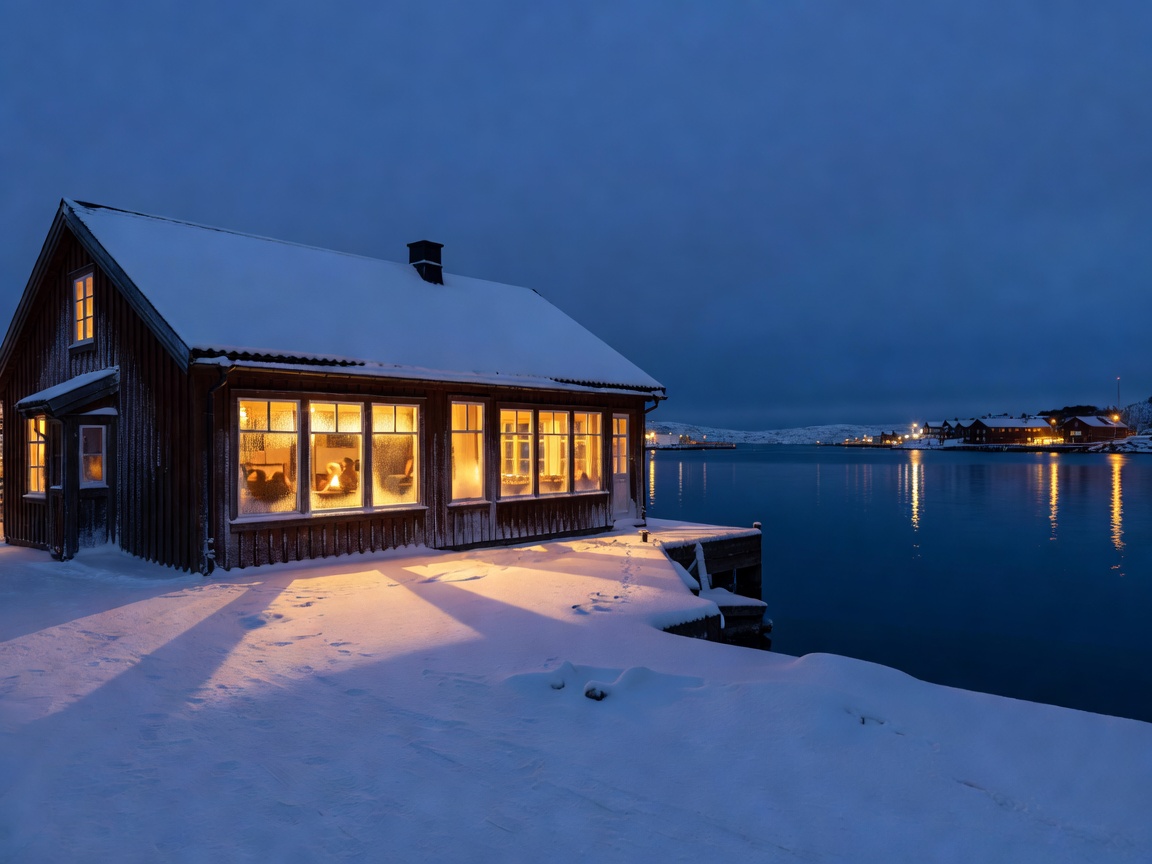
Warmly lit harbour-side restaurant in Tromsø on a blue-dark winter evening with snow on the quay

Lofoten

The islands of Svolvær, Henningsvær, Nusfjord and Reine are the heart of the skrei fishery. Many of the best tables are set inside restored rorbuer, the red fishermen's cabins on stilts. Børsen Spiseri at Svinøya in Svolvær, set in an old fish-trading house, is a long-standing address for stockfish and seasonal cod. Visit January to April for skrei, and stay at least two nights — winter roads can be slow.

Tromsø

Norway's largest Arctic city has the widest choice: harbour-front seafood houses such as Fiskekompaniet, modern Nordic tasting menus and lively wine bars. It is also the easiest base for the northern lights from September to March. Pair a long dinner with a day trip to the fjords of Kvaløya, or a crossing to see the Arctic Cathedral lit at night.

Finnmark

The king crab coast. Around Kirkenes, operators such as Snowhotel Kirkenes run king crab safaris: you travel by boat or snowmobile to the fjord, watch the pots lifted and eat the crab freshly cooked. In Vardø and along the Varanger Peninsula, smaller kitchens serve crab, cod and seabird-free coastal fare with Sámi and Pomor influences.

Ilulissat

Beside the Ilulissat Icefjord, a UNESCO World Heritage Site since 2004, Restaurant Ulo at Hotel Arctic serves Greenlandic produce with views of icebergs calved from Sermeq Kujalleq. Expect Greenland halibut, Disko Bay prawns, snow crab, musk ox and crowberries. Flights connect via Kangerlussuaq or Nuuk.

Finnish Lapland

Lapland's luxury is lake-and-forest rather than ocean. In Rovaniemi and Inari, chefs work with Arctic char, whitefish and vendace from Lake Inari, reindeer, and forest berries. Visit the Siida museum in Inari to understand Sámi food culture before you dine. Many lodges pair glass-roofed rooms with tasting menus built around these ingredients.

Svalbard

At 78° North, Longyearbyen is home to Huset, a Nordic fine-dining room celebrated for one of the most remarkable wine cellars in Scandinavia. Menus feature local reindeer, Arctic char and seafood from the surrounding seas. Book well ahead; the town is small and seats are few.

A short glossary

Reading a Northern Menu

Mølje — poached cod with liver and roe. Tørrfisk — wind-dried stockfish. Lutefisk — lye-cured dried fish, a Christmas tradition. Rakfisk — fermented trout or char. Muikku — Finnish vendace. Gravlaks — salt-cured salmon or char. Tusenfryd, no: if a word puzzles you, simply ask; northern servers enjoy explaining their menus.

Etiquette

At the Northern Table

Dress is smart-casual; warm layers are expected. Tasting menus often last three hours, so book early evening if you plan to watch for the aurora afterwards. Mention allergies when booking — set menus are prepared in advance. Tipping is not obligatory in Norway, Finland or Greenland; rounding up for excellent service is appreciated.