Course IV · The discipline

Taking Only What Returns

The Arctic larder is generous but not limitless. These principles help discerning diners enjoy it in a way the north can sustain.

Flat illustration of a small hand-line fishing boat and circling arrows symbolising renewal
The lead essay

Why Northern Fisheries Deserve Care

The Barents Sea hosts one of the largest cod stocks in the world, managed jointly by Norway and Russia through the Joint Norwegian–Russian Fisheries Commission, drawing on scientific advice from the International Council for the Exploration of the Sea (ICES). That cooperation has kept Northeast Arctic cod productive for decades — yet scientists have recommended sharp quota cuts in recent years as the stock declined.

Warming seas are also shifting where species live. Diners cannot set quotas, but they can ask good questions, choose thoughtful restaurants and value the whole animal. Luxury in the north should mean the privilege of eating something rare and well-tended, never the right to eat it without limit.
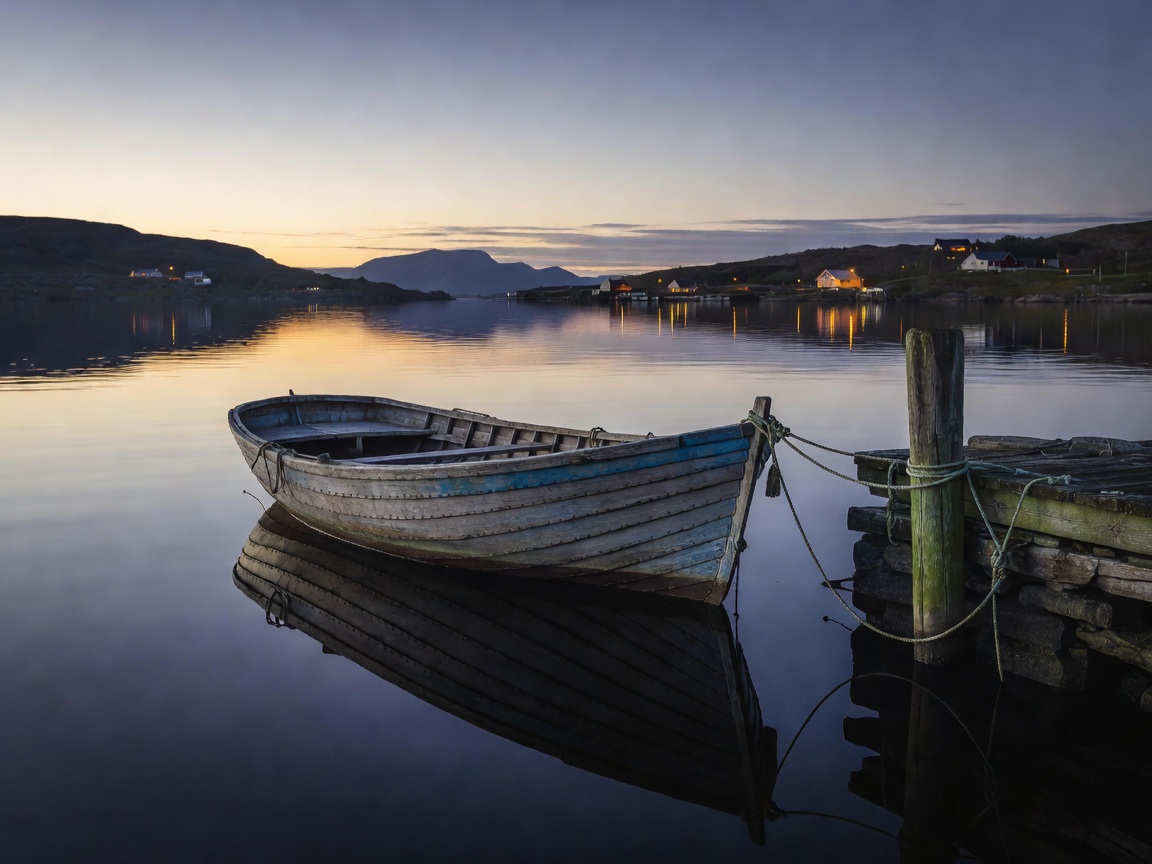
Small wooden hand-line fishing boat moored in a calm Finnmark harbour at dusk

Seven Principles for the Northern Table

  1. Ask how it was caught

    Hand-line, Danish seine and coastal gillnet fishing from small boats generally have a lighter footprint than large bottom trawlers. A good restaurant will know the gear and often the boat. Hand-dived urchin and pot-caught crab are among the most selective harvests of all.

  2. Look for certification — and check it is current

    The Marine Stewardship Council (MSC) label signals that a fishery has been independently assessed. Many Norwegian cod and haddock fisheries have held MSC certificates, but status can be suspended or renewed as stock advice changes. Ask, rather than assume.

  3. Understand the king crab paradox

    Red king crab is an introduced species in Norway. It is quota-managed east of the North Cape to support a valuable fishery, while west of 26° East fishing is unrestricted to slow its spread along the coast. Eating Finnmark king crab is therefore part of a deliberate management strategy.

  4. Follow the season

    Ordering skrei in its winter season, urchin before spring spawning and wild char in summer supports fisheries at their most abundant and taste at its peak. Be wary of menus that offer every northern delicacy all year.

  5. Honour Indigenous food culture

    Sámi communities in Lapland and northern Norway, and Inuit communities in Greenland, hold fishing and herding traditions that predate any restaurant. Favour places that work with Indigenous producers and describe their food with accuracy and respect.

  6. Eat the whole fish

    Cod tongues, cheeks, liver and roe; crab shells turned into bisque; fish bones into broth. Northern kitchens have always wasted little. Choosing these dishes rewards chefs who cook nose-to-tail at sea.

  7. Travel lightly

    Consider the Hurtigruten coastal route, in service along the Norwegian coast since 1893, or the overnight train from Helsinki to Rovaniemi. Stay longer in fewer places; a slow journey suits slow food.

At the table

Questions to Ask Your Server

Where was this landed, and how long ago? What gear was used? Is this species in season now? Do you work with any Sámi or Inuit producers? A confident, specific answer is a fine sign of a kitchen that cares.

A note on whale and seal

Difficult Dishes

Some northern menus include minke whale or seal, rooted in long coastal and Inuit traditions and regulated nationally. Whether to order them is a personal decision; we encourage diners to learn the local context and international debate before choosing.